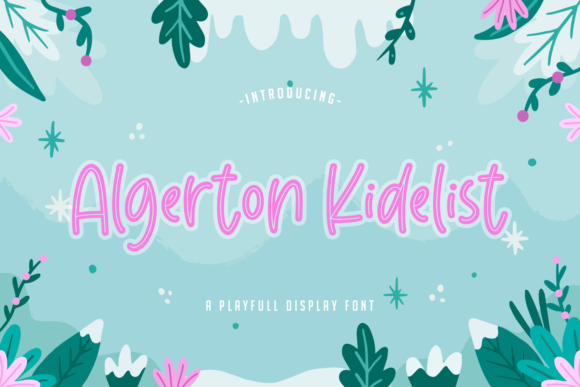
Hacker: A Rounded Display Font for Modern Web Design
Hacker is a rounded display font that brings a nostalgic yet modern aesthetic to digital design. With its bold and inviting character, it’s perfect for creating strong visual identities while maintaining readability. Whether you're designing a website, landing page, or brand-focused web experience, Hacker offers a unique blend of retro charm and contemporary appeal.
Hacker for Hero Sections and High-Impact Headlines
Hacker is ideal for hero sections where first impressions matter most. Its rounded edges and distinctive boldness make it stand out on both light and dark backgrounds. When used as a headline, Hacker commands attention without overwhelming the reader. This makes it an excellent choice for high-impact headlines in online stores, SaaS product pages, and creative portfolios.
Its strong visual presence ensures that your main message is clear and memorable. Pairing Hacker with a clean sans-serif body font can create a balanced contrast that enhances readability while keeping the design visually engaging.
Hacker for Brand Identity and Logo Design
When crafting a brand identity, Hacker can serve as a powerful tool. The font's retro feel evokes the spirit of the 1980s computer revolution, making it particularly appealing for tech startups, gaming brands, and creative agencies. Its rounded style adds approachability, which is essential for building trust with your audience.
For logo design, Hacker offers a versatile option that can be adapted to various styles—from minimalistic to bold and geometric. It works well with monochrome designs and can also be paired with color accents to highlight key elements of your brand. Whether you're designing a logo for a boutique online store or a digital agency, Hacker provides a strong foundation for visual storytelling.
Hacker for Landing Pages and Conversion-Focused Layouts
In conversion-driven layouts, clarity and impact are key. Hacker excels in this space by delivering both. Its boldness helps draw the eye to call-to-action buttons and key messages, while its rounded shape keeps the tone friendly and approachable. This combination is especially effective for course sales pages, coaching websites, and subscription-based platforms.
When using Hacker on landing pages, consider its performance on different screen sizes. On mobile devices, ensure there's enough spacing between characters and lines to maintain legibility. Using a contrasting background or subtle shadows can further enhance readability without compromising the font's character.
Hacker for Social Media Graphics and Digital Ads
With the rise of social media and digital advertising, having a font that stands out is more important than ever. Hacker’s distinctive style makes it a great fit for social media graphics, banner ads, and promotional content. Its retro vibe resonates with audiences who appreciate vintage aesthetics, making it ideal for niche markets like retro gaming, tech nostalgia, and creative industries.
When designing for platforms like Instagram, Facebook, or LinkedIn, consider how Hacker performs in small spaces. Ensure that text remains legible at smaller sizes, and test it against various background colors to maintain visibility. This font can elevate your brand’s visual presence across multiple digital channels.
Hacker for Blog Headers and Content Sections
Blogs often require a mix of bold and subtle typography to guide readers through long-form content. Hacker is well-suited for blog headers and section titles, offering a striking visual element that draws the eye without being distracting. Its rounded form adds warmth, making it a good match for lifestyle blogs, creative journals, and educational platforms.
To maintain balance, pair Hacker with a simpler body font that supports easy reading. This contrast not only improves visual hierarchy but also enhances the overall user experience. For content sections, use Hacker sparingly—perhaps as a subheading or decorative accent—to keep the design cohesive and focused.
Hacker for Responsive Web Design and Mobile Optimization
Responsive web design requires fonts that adapt seamlessly across devices. Hacker performs well in this regard, offering consistent appearance on both desktop and mobile screens. However, it’s important to test its readability at smaller sizes, especially on buttons and navigation menus.
On dark backgrounds, Hacker’s bold strokes provide excellent contrast, ensuring legibility even in low-light conditions. Conversely, on light backgrounds, its rounded form maintains a soft and approachable feel. By adjusting line spacing and letter spacing, you can fine-tune its performance for optimal readability in all contexts.
Hacker for Font Pairing and Design Flexibility
Font pairing is a crucial aspect of web design, and Hacker offers several options for complementary combinations. Pairing it with a clean sans-serif font like Montserrat or Inter creates a dynamic contrast that highlights Hacker’s boldness while keeping the rest of the design grounded. For a more editorial look, consider pairing it with a serif font like Playfair Display.
Hacker’s versatility extends to its weight options and alternates, allowing for greater design flexibility. Whether you’re creating a minimalist layout or a more decorative one, the font’s range of styles ensures that it can fit into various design schemes. Additionally, checking for multilingual support and webfont availability will help you maximize its utility across different projects.
When using Hacker commercially, always verify the licensing terms to ensure it meets your project’s requirements. Whether you're building a client website, launching an online store, or developing a digital template, proper licensing guarantees that your design assets remain protected and professional.